Official Trézor® Bridge| Introducing the New Trezor®
Trezor Bridge: The Secure Link Between Your Hardware Wallet and the Web
1. Introduction: Why Secure Crypto Connections Matter
In the rapidly evolving world of cryptocurrency, security and seamless access are essential. Hardware wallets have become the gold standard for protecting digital assets offline. However, for these devices to interact with web-based interfaces, a reliable communication layer is required. That’s where Trezor Bridge comes in.
Developed by the team behind SatoshiLabs, Trezor Bridge acts as the background service that connects your Trezor device to your web browser safely and efficiently. Without it, your browser may not detect your hardware wallet properly when accessing wallet interfaces.
This article explains what Trezor Bridge is, how it works, and why it is essential for users who manage cryptocurrency securely through a Trezor device.
2. What is Trezor Bridg
Trezor Bridge is a small software application that runs in the background on your computer. It creates a communication channel between your Trezor hardware wallet and supported web applications.
Previously, browsers relied on extensions to communicate with hardware wallets. However, modern browsers tightened security policies and removed support for many legacy plugins. To adapt to this change, Trezor Bridge was introduced as a more secure and reliable solution.
Key characteristics of Trezor Bridge include:
- Automatic detection of your Trezor device
- Secure communication between the device and web wallet
- Background operation without interfering with your workflow
- Compatibility with major browsers like Chrome, Firefox, and Edge
In simple terms, Trezor Bridge ensures that when you connect your hardware wallet to your computer, the browser can recognize and interact with it securely.
3. How Trezor Bridge Works

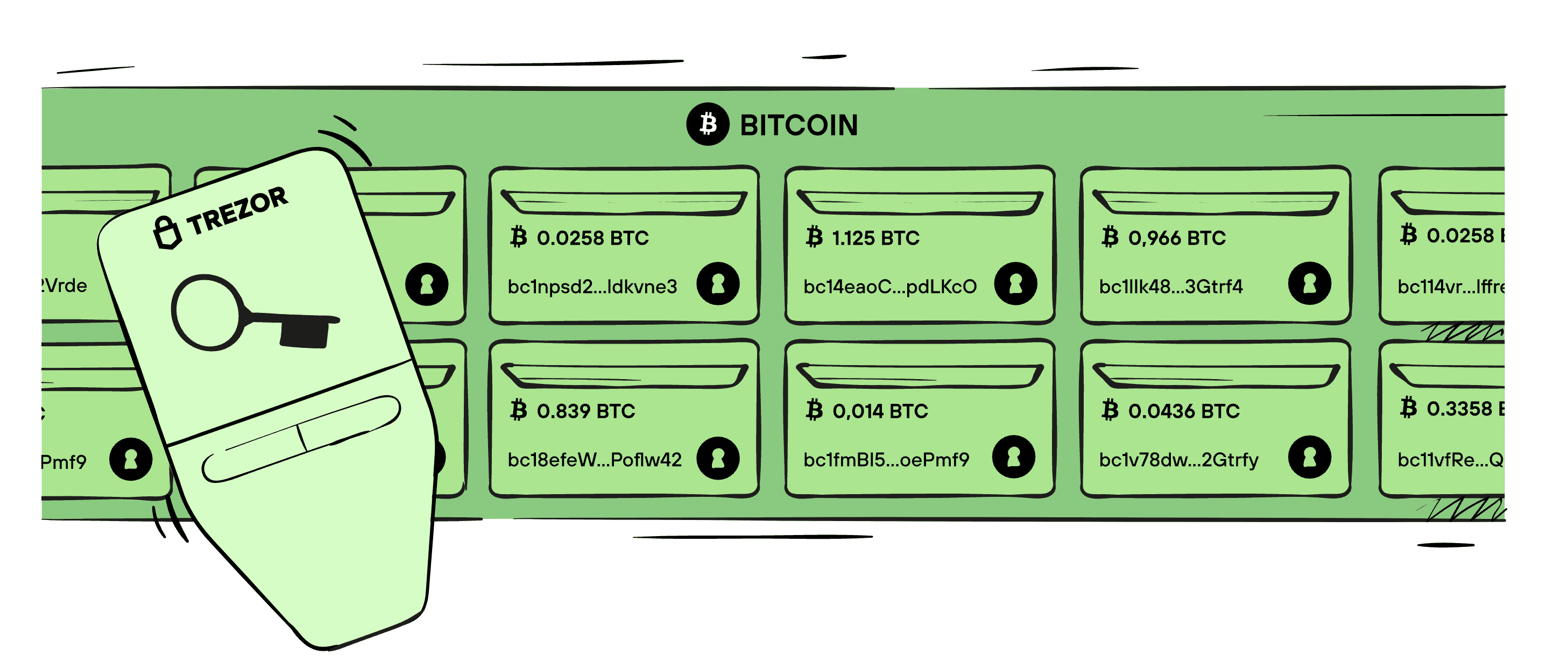

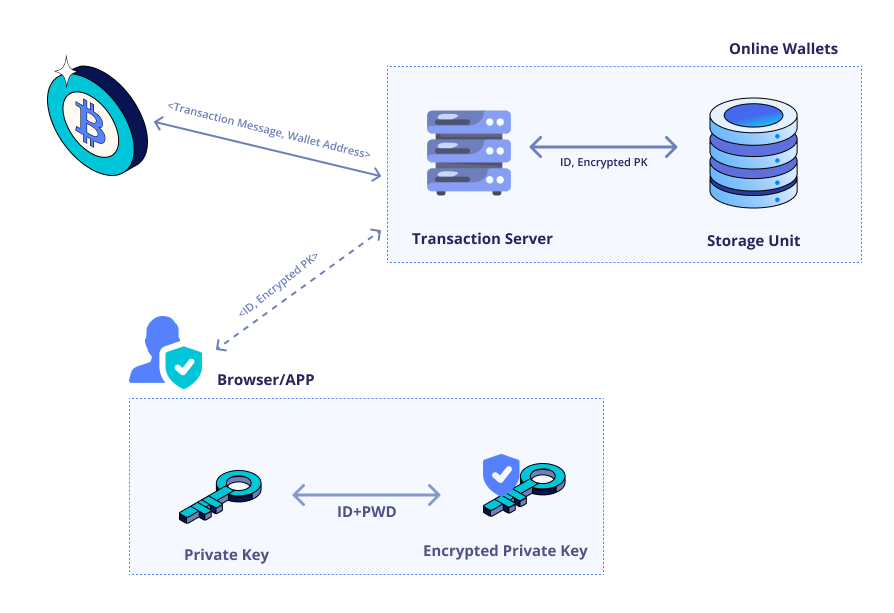
Understanding how Trezor Bridge works can help users appreciate its importance in maintaining secure transactions.
Step-by-step workflow:
- The user connects their Trezor hardware wallet to a computer using a USB cable.
- Trezor Bridge automatically detects the device.
- The browser requests communication with the hardware wallet.
- Trezor Bridge securely relays data between the wallet and the browser interface.
- The user confirms transactions directly on the hardware device.
This process ensures that sensitive operations, such as signing transactions or accessing private keys, remain secure and verified through the physical device rather than the browser alone.
4. Benefits of Using Trezor Bridge
Trezor Bridge provides several advantages for cryptocurrency users and investors:
Improved Security
It acts as a secure intermediary layer, reducing the risks associated with direct browser-device communication.
Better Compatibility
Because it replaces outdated browser plugins, Trezor Bridge works smoothly with modern browsers and operating systems.
Automatic Updates
The software updates periodically to maintain security and improve performance.
Smooth User Experience
Users do not need to repeatedly configure browser extensions; once installed, it works automatically.
Reliable Device Detection
Trezor Bridge ensures that your hardware wallet is detected quickly when connected.
For anyone managing digital assets, these benefits significantly improve both security and convenience.
5. How to Install Trezor Bridge
Installing Trezor Bridge is straightforward and typically takes only a few minutes.
Basic installation steps:
- Visit the official Trezor website.
- Download the latest version of Trezor Bridge compatible with your operating system.
- Run the installer and follow the on-screen instructions.
- Restart your browser after installation.
- Connect your Trezor device and open the wallet interface.
Once installed, Trezor Bridge runs automatically in the background whenever your system starts.
6. When Do You Need Trezor Bridge?
You will need Trezor Bridge if:
- Your browser cannot detect your Trezor hardware wallet.
- You are accessing your wallet through a web interface instead of only using desktop apps.
- You want a stable and secure communication layer between the device and browser.
Many users installing their hardware wallet for the first time encounter this step as part of the setup process.
7. Conclusion
Trezor Bridge plays a crucial role in the modern cryptocurrency security ecosystem. It enables safe and seamless communication between your hardware wallet and web-based wallet platforms.
For users who prioritize security and convenience, installing and keeping Trezor Bridge updated is an important step. With cyber threats increasing and cryptocurrency adoption growing, tools like Trezor Bridge help ensure that digital assets remain protected while still being easy to manage.
FAQs About Trezor Bridge
1. Is Trezor Bridge safe to install?
Yes. Trezor Bridge is developed by the official Trezor team and is designed specifically to ensure secure communication between your hardware wallet and browser.
2. Do I need Trezor Bridge if I use Trezor Suite?
If you primarily use the desktop version of Trezor Suite, the need for Bridge may be reduced, but it can still be required for certain web-based interactions.
3. Why is my Trezor device not detected by the browser?
This usually happens when Trezor Bridge is not installed, outdated, or not running properly in the background.
4. Does Trezor Bridge work on all operating systems?
Yes. It supports major systems such as Windows, macOS, and Linux.
5. How do I update Trezor Bridge?
You can update it by downloading the latest version from the official Trezor website and reinstalling it over the existing version.